
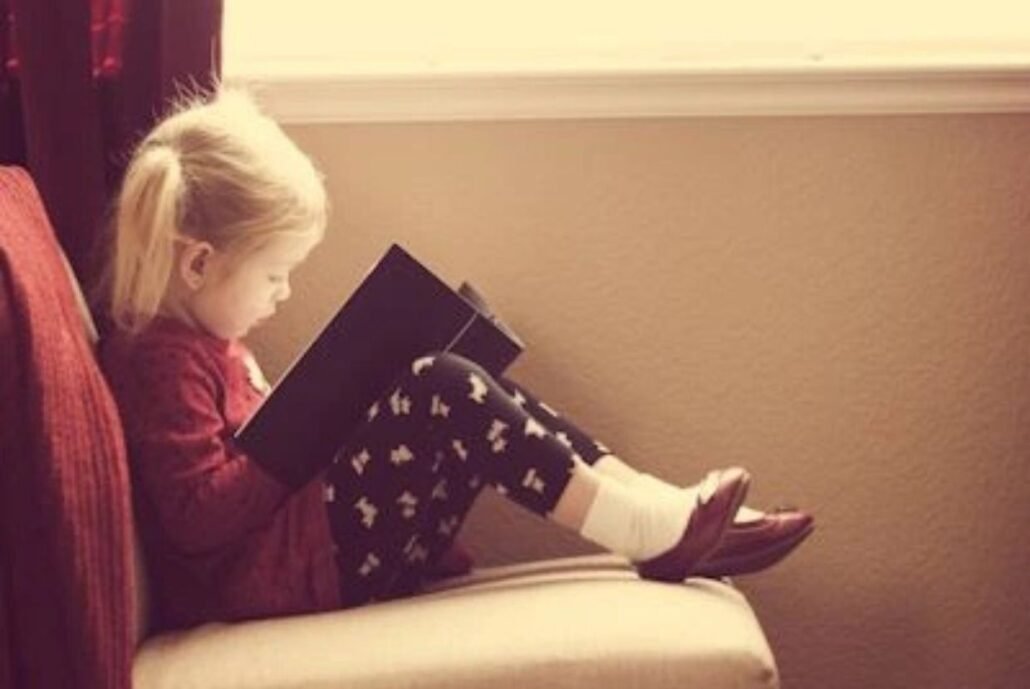
Learning to read doesn’t happen overnight. It’s a gradual process that takes time, practice, and patience. Some children begin reading confidently during the first years of primary school, while others need a little longer to develop skills such as recognising words, reading fluently, or understanding what they have just read.
Many reading difficulties in children aged 6 to 10 are simply part of the normal learning process. However, when these challenges continue for months, cause frustration, or begin to affect a child’s performance at school, it’s important to pay closer attention.
Reading difficulties in children aged 6 to 10 do not always mean a child has a learning disorder, but they can be one of the first signs that extra support is needed. Identifying these difficulties early allows families and teachers to intervene before they lead to reduced confidence, avoidance of reading, or an increasing gap between the child and their classmates.
In this article, we’ll explore the most common reading difficulties children may experience between the ages of 6 and 10, the warning signs to look out for, and when it may be appropriate to seek professional advice. The information is based on recommendations from organisations such as the Spanish Association of Primary Care Paediatrics (AEPap), the National Institute of Child Health and Human Development (NICHD), and the International Dyslexia Association.
What Are Reading Difficulties in Children Aged 6 to 10?
When children are learning to read, making mistakes is completely normal. They may confuse certain letters, read slowly, or stop frequently to work out longer words. During the first years of primary school, these challenges are a natural part of learning and usually improve with regular practice.
What concerns specialists isn’t occasional mistakes, but difficulties that persist over time, even after a child has received appropriate instruction and has had plenty of opportunities to practise reading.
Reading difficulties can affect different skills. Some children struggle to connect letters with their corresponding sounds, others read very slowly, while some can read the words accurately but have difficulty understanding what they’ve just read.
For this reason, reading difficulties in children aged 6 to 10 do not refer only to dyslexia. The term also includes challenges related to reading accuracy, fluency, and comprehension.
According to the NICHD, reading disorders may involve difficulties recognising familiar words, reading accurately, understanding written text, or spelling correctly. These difficulties are not related to a child’s intelligence or willingness to learn, but rather to the way their brain processes written language.
One of the best-known reading disorders is dyslexia, a specific learning disorder that primarily affects reading. Research shows that dyslexia is mainly linked to difficulties with phonological processing—the ability to recognise and manipulate the sounds within words. For many years, people mistakenly believed dyslexia was a visual problem because children often reversed letters. Today, however, we know that letter reversals—particularly between the ages of 6 and 8—can also occur in children whose reading development is entirely typical.
For example, confusing b and d, or reversing syllables during the early years of primary school, is not enough on its own to suggest dyslexia. What matters most is the child’s overall reading development and whether these difficulties gradually disappear as they gain more reading experience.
It’s also important to distinguish between a slower pace of learning and a genuine learning disorder. Every child develops at their own pace. However, when reading difficulties continue for at least six months, interfere with school performance, and persist despite targeted educational support, clinical guidelines recommend a more comprehensive assessment.
In other words, there’s no need to worry simply because a child takes a little longer than others to learn to read. What really matters is whether they continue making progress over time or whether their reading development appears to have stalled.
Do All Children Experience the Same Reading Difficulties?
Not necessarily.
The warning signs change as children progress through the different stages of learning to read. What is perfectly normal in Year 1 may become a cause for concern two years later.
For this reason, specialists prefer to assess reading difficulties according to a child’s stage of reading development, rather than focusing solely on their age. During the first years of primary school, the main goal is learning to decode words. As children become more experienced readers, decoding should gradually become automatic, allowing them to focus on understanding what they read. When this automaticity doesn’t develop, reading difficulties often become more noticeable as academic demands increase.
In the next section, we’ll look at the most common warning signs of reading difficulties in children aged 6 to 10, and explain when it may be time to seek professional support.
Reading Difficulties in Children Aged 6 to 7: Warning Signs
The first years of primary school are a period of significant development. During this stage, children move from recognising letters and sounds to reading simple words and sentences independently.
At this age, making mistakes is completely normal. Reading slowly, sounding out words, or confusing certain letters is all part of learning to read. The key is that steady progress should become noticeable over time.
When that progress is minimal or doesn’t happen at all, it’s worth paying closer attention.
One of the earliest warning signs often involves difficulties linking letters to their corresponding sounds. Some children struggle to remember which sound each letter represents or need a great deal of effort to read even very simple words. It’s as if every reading attempt starts from scratch, without the brain gradually making the process automatic.
Children may also have difficulty recognising rhymes, breaking words into syllables, or playing with the sounds in language. Although these activities may seem simple, they are part of what’s known as phonological awareness, a skill that research has consistently shown to be essential for successful reading development.
Another common sign is when a child continues to read one word at a time, with frequent pauses and considerable effort, even after months of practice. Instead of recognising words instantly, they still need to sound out almost every letter. This makes reading slow, tiring, and often discouraging.
At this age, it’s also common to see children replacing one word with another that looks similar or guessing words they cannot decode. Occasional mistakes like these are perfectly normal. However, if they happen consistently and show little improvement over time, it’s a good idea to discuss them with the child’s teacher.
Some children even begin avoiding reading aloud altogether. They may say they’re tired, complain of a headache, or find excuses to let someone else read instead. This isn’t always a behavioural issue. In many cases, they’ve simply realised that reading requires far more effort for them than it does for their classmates.
Warning Signs Between the Ages of 7 and 8
By the second year of primary school, something important changes.
At this stage, children are no longer just learning to read—they’re beginning to read in order to learn.
Most children can now recognise many words automatically and read short stories with increasing fluency. They still make mistakes, of course, but reading gradually becomes less demanding.
When reading difficulties in children aged 6 to 10 are present, this automaticity often develops much more slowly.
A child may continue reading very slowly, sounding out almost every word or pausing repeatedly to work out what the text says. While their classmates are already focusing on the meaning of the story, they are still using most of their mental effort simply to recognise the words.
This leads to an important consequence.
When so much of the brain’s attention is devoted to decoding words, there are fewer cognitive resources available for understanding the text. As a result, many children reach the end of a paragraph and cannot explain what they have just read. It’s not because they weren’t paying attention—it is because all their effort went into decoding the words themselves.
Other common signs include replacing words, skipping small words such as the, a, or of, reversing syllables, or struggling with longer, unfamiliar words.
Parents may also notice that homework starts taking much longer than expected. This isn’t necessarily because the child works slowly in general, but because any task involving reading instructions, solving word problems, or studying written material requires significantly more effort.
Over time, these difficulties can begin affecting a child’s confidence.
Some children start saying things like, “I’m bad at reading,” or “I never get it right.” Others stop choosing books altogether because reading has become a frustrating experience.
This is why specialists emphasise the importance of early identification. The sooner reading difficulties are recognised, the easier it is to provide effective support and prevent feelings of failure from becoming deeply rooted.
Warning Signs Between the Ages of 8 and 10
By the time children reach Years 3 and 4 of primary school, reading should have become a largely automatic skill.
Children are expected to work with longer texts, learn new vocabulary, and complete activities that require them to understand, summarise, and draw conclusions from what they read. At this stage, reading accurately is no longer enough—they also need to interpret information and think critically about it.
When reading difficulties in children aged 6 to 10 continue, the challenges usually become much more noticeable.
Some children still read significantly more slowly than expected for their age. They may need to reread the same paragraph several times because they lose track of the meaning or forget what they have just read.
Others read with reasonable accuracy but struggle to understand the text. They find it difficult to identify the main idea, explain what they’ve read in their own words, or answer straightforward questions about the story.
Children may also have difficulty learning new vocabulary, remembering written information, or following multi-step written instructions.
At school, these challenges often begin affecting every subject—not just language arts. Science, mathematics, history, geography, and many other subjects require strong reading comprehension, so academic performance as a whole may start to decline.
Families sometimes assume their child is easily distracted or not paying attention. However, the opposite is often true. The child is working extremely hard to read, but that effort leaves very little mental energy for understanding the content.
At this stage, frustration usually increases. Many children avoid reading aloud in class, lose interest in books, or develop low academic self-esteem because they feel they’re constantly falling behind their peers.
For this reason, if these difficulties continue despite support at home and school, clinical guidelines recommend seeking a professional assessment to identify the underlying cause and determine the most appropriate intervention.
When Should You Seek Professional Help?
Many parents ask the same question: Should we wait a little longer, or is it time to ask for help?
The answer depends less on a child’s age and more on their progress.
Not all children learn to read at the same pace, and constantly comparing them with their classmates can create unnecessary worry. However, one sign deserves particular attention: when reading difficulties persist for several months with little or no improvement, despite regular reading practice and appropriate teaching.
Guidelines from the Spanish Association of Primary Care Paediatrics (AEPap) and the National Institute of Child Health and Human Development (NICHD) agree that a “wait and see” approach is not recommended when difficulties are persistent. The earlier the underlying cause is identified, the sooner appropriate support can begin.
For example, if a child reaches the end of Year 1 of primary school and still struggles to recognise simple words, read with reasonable fluency, or understand short texts, it’s advisable to discuss these concerns with their teacher and paediatrician. If necessary, they may recommend a more comprehensive assessment by a specialist.
The purpose of this assessment isn’t to label the child, but to understand what’s causing the difficulties. In some cases, it may simply be a developmental delay that improves with targeted support. In others, it may confirm a specific learning disorder such as dyslexia, allowing the child to receive appropriate intervention.
Depending on the child’s needs, different professionals may be involved. Educational psychologists or learning support specialists often assess reading skills and academic performance. Speech and language therapists evaluate language development and phonological processing, while paediatric neurologists, neuropsychologists, or child psychologists may also become involved if other developmental concerns are suspected.
The most important thing to remember is that seeking professional help doesn’t mean something is seriously wrong. On the contrary, it gives children the opportunity to receive the support they need before reading difficulties begin affecting their confidence, motivation, and academic progress.
How to Help a Child with Reading Difficulties
One of the biggest concerns for parents is knowing how to support their child at home. Many people assume that simply making children read for longer every day is the solution. However, research shows that it’s not just about reading more—it’s about reading more effectively.
The goal shouldn’t be to turn reading into a chore, but to create positive reading experiences that encourage practice without increasing frustration.
Reading Together Is Still One of the Most Effective Strategies
It may sound like simple advice, but reading together remains one of the most evidence-based ways to support children’s reading development.
Reading with an adult allows children to hear fluent reading, expand their vocabulary, and better understand the meaning of the text. It also turns reading into a shared experience instead of something they have to struggle through alone.
There’s no need to spend an hour reading every day. Even ten to fifteen minutes of relaxed reading together—talking about the story, asking simple questions, or discussing the characters—can make a real difference.
The goal isn’t to finish the book as quickly as possible, but to enjoy reading together.
Choose Books That Match Your Child’s Reading Level
One of the most common mistakes is choosing books based only on a child’s age.
When reading difficulties in children aged 6 to 10 are present, it’s much more helpful to select books that match the child’s actual reading ability.
If a book is too difficult, every page becomes a struggle, and reading quickly turns into a frustrating experience.
On the other hand, when a book provides just enough challenge without feeling overwhelming, children gain confidence and gradually improve their reading fluency.
It’s far better for a child to finish a book thinking, “I did it!”, than to abandon it halfway because it feels impossible.
Talk About What You’ve Read
Parents often focus entirely on whether their child can read the words correctly, when the real purpose of reading is understanding.
After finishing a story, try asking simple questions such as:
- Which character did you like the most?
- What do you think will happen next?
- Why do you think that character behaved that way?
- What would you have done?
The aim isn’t to test your child.
It’s simply to have a conversation.
These discussions help develop reading comprehension and encourage children to connect what they’ve read with their own experiences.
Respect Your Child’s Learning Pace
Every child needs a different amount of time to become a confident reader.
Constantly comparing them with siblings, friends, or classmates rarely motivates them. Instead, it often increases feelings of failure.
Comments such as “Your brother could already read much better at your age,” or “If you tried harder, you’d be able to do it,” can seriously damage a child’s self-esteem.
Recognising small improvements is much more helpful.
Sometimes progress simply means reading one page with less effort than the week before—and that’s worth celebrating.
Be Cautious About Methods That Lack Scientific Evidence
When parents are looking for answers, it’s easy to come across programmes that promise quick and dramatic improvements.
However, organisations such as the American Academy of Pediatrics and the International Dyslexia Association point out that many of these approaches are not supported by scientific evidence.
Current research consistently shows that the most effective interventions focus on developing skills such as phonological awareness, letter-sound correspondence, reading fluency, and reading comprehension, always tailored to the individual child’s needs.
There are no miracle treatments, special glasses, or eye exercises that can cure reading disorders on their own.
Reading Also Requires Confidence
Beyond educational strategies, there’s another aspect that’s often overlooked.
A child who repeatedly feels unsuccessful when reading will eventually begin avoiding books altogether.
That’s why supporting emotional wellbeing is just as important as improving reading skills. Celebrating small successes, avoiding comparisons, and creating opportunities to enjoy books without pressure can make an enormous difference.
After all, children don’t learn best when they’re afraid of making mistakes.
Books to Support Reading Development Between the Ages of 6 and 10
No single book can solve reading difficulties on its own. However, the right stories can help children rebuild their confidence and rediscover the joy of reading.
When children feel that reading is simply too difficult, they often lose interest in books altogether. That’s why it’s important to choose books that match their reading ability, with accessible language, manageable chapters, and engaging stories.
If you’re looking for books for 6-year-olds learning to read, choose stories with simple sentences, supportive illustrations, and familiar vocabulary. At this stage, the goal is to strengthen decoding skills without letting effort overshadow enjoyment.
As children become more fluent, books for 7-year-olds can introduce slightly longer chapters and relatable characters. The challenge should increase gradually while allowing children to finish each book with a sense of achievement.
For books for 8-year-olds, more developed plots can be introduced, provided they match the child’s reading comprehension. Adventure, humour, and mystery stories are often particularly engaging because they encourage children to keep turning the pages.
Among books for 9-year-olds, many children begin enjoying stories with greater emotional depth and characters facing challenges they can relate to. These books help develop not only reading comprehension but also empathy and a lifelong love of reading.
Finally, books for 10-year-olds can introduce richer vocabulary and more complex plots while still respecting each child’s individual pace. The goal isn’t to choose the most difficult books available, but the ones that spark enough curiosity to make children want to keep reading.
At Nöpp, we believe reading should never feel like an obligation. Our aim is to offer books that support children’s reading development at their own pace, through stories that inspire curiosity, imagination, laughter, and a genuine love of books.
The Goal Isn’t to Read Earlier—It’s to Enjoy Reading
Every child learns to read at their own pace. Some simply need more time to develop reading fluency, while others benefit from targeted support to overcome specific challenges. Neither situation defines a child’s intelligence or determines their future potential.
What matters most is monitoring their progress, recognising warning signs early, and providing the right support as soon as it’s needed. Early intervention can prevent many future difficulties and, above all, help children maintain confidence in themselves.
Most importantly, reading isn’t just about recognising words. Reading is about understanding, imagining, discovering, feeling, and enjoying stories. When children associate books with positive experiences, they’re far more likely to develop a lifelong love of reading.
Frequently Asked Questions
Is it normal for a 6-year-old to read slowly?
Yes. During the first years of primary school, it’s perfectly normal for children to read slowly while they develop automatic letter-sound recognition. The important thing is that steady progress becomes visible over time.
Does confusing “b” and “d” mean my child has dyslexia?
Not necessarily. Letter reversals are common during the early stages of learning to read. They only become a concern when they persist beyond what’s expected for a child’s age and are accompanied by other warning signs.
When should I be concerned?
You should consider seeking professional advice if reading difficulties continue for several months, interfere with school performance, or cause your child to avoid reading—especially if they’ve received appropriate instruction but show little progress.
Will reading more every day solve the problem?
Not always. The quality of reading practice is just as important as the amount. Reading together with an adult, choosing books that match your child’s reading level, and using evidence-based strategies are generally much more effective than simply asking children to read for longer.
Identifying reading difficulties in children aged 6 to 10 early allows families to provide support before these challenges begin affecting confidence, motivation, and academic achievement. With the right guidance and positive reading experiences, most children can continue developing stronger reading skills and, most importantly, discover that books can become a lifelong source of learning, imagination, and enjoyment.
References
- American Academy of Pediatrics. Learning Disabilities, Dyslexia, and Vision. Pediatrics.
- Asociación Española de Pediatría de Atención Primaria (AEPap). Trastorno específico del aprendizaje.
- International Dyslexia Association. Structured Literacy y recursos para familias.
- Lyon GR, Shaywitz SE, Shaywitz BA. A definition of dyslexia. Annals of Dyslexia.
- National Institute of Child Health and Human Development (NICHD). Información sobre el desarrollo de la lectura y dificultades lectoras.
- Snowling MJ, Hulme C. The Science of Reading. Blackwell Publishing.
- World Health Organization (WHO). Clasificación Internacional de Enfermedades (ICD-11): Trastornos específicos del aprendizaje.